
Are Big-Time College Sports Irredeemable?
Yes. So why even talk about it?
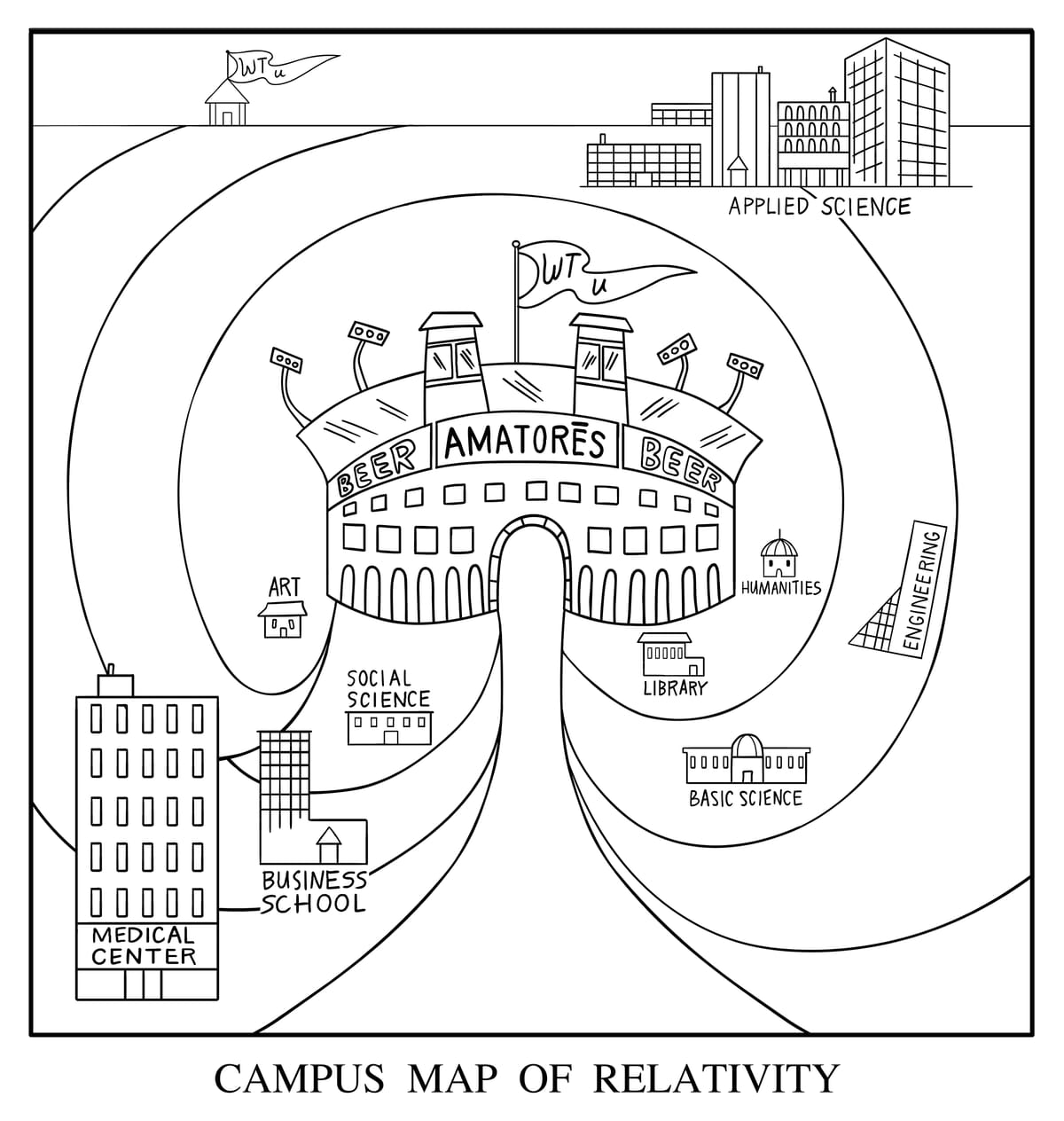
Despite my long-time concern with ethical issues in higher education, since a couple of Sounding Board posts in 2012 and 2013 I haven’t been that motivated to write about athletics. So, what’s changed? However disturbing, it’s not that football coaches, who have long been paid much more than college presidents or state governors, now make up to $13 million in official total compensation. Or that fired coaches last year were paid $228 million to exit, enough to fund the entire entering Harvard freshmen class for nearly two years, or pay the salary of 1520 Assistant Professors at $150,000 for a year. Or even that, in the most recent of 100 years of scandal, widespread fixing of games is occurring at the highest level of men’s basketball. No, it’s something much more subtle, new, and under-the-radar: the potential entrance of private equity into the world of big-time, so-called nonprofit, college sports.
I’ll get to that, and how I think universities could address it, in my next post, but it’s useful first to provide a short background on how we got here. I’ll focus on football (and to a lesser extent basketball) because football is the index case for sports commercialization in universities. Some of you will be familiar with at least the recent history, but seeing the trajectory in so concentrated a form, including the reasons why attempts at reform have invariably failed, may rouse renewed interest not so much in reform, but to find another path. (A general note on sources is at the end of this post).
A Brief Summary of the Trajectory of Big-Time Intercollegiate Sports
Institutions lost control of intercollegiate sports almost from the start, and endemic problems we think of as modern were practically gestational. Read it and weep.
The Beginning: Late 19th and Early 20th Centuries
The first football game (a semblance of our modern game) was held between Princeton and Rutgers in 1869; by the 1880s intercollegiate competitions had taken off, bringing with it characteristics and soft corruption seen in more mature forms today: alumni control, paid outside coaches, trainers, gate receipts, and direct recruiting of “student-athletes” outside of standard college admissions processes by athletic staff specifically to play sports.
By the 1890s, university presidents, most notably Harvard’s Charles Eliott, began speaking out on sports “commercialism” and their intrusion into the educational term. In 1906, what is now the National Collegiate Athletic Association (NCAA) was formed at President Roosevelt’s concern over violence in football (well before knowledge of chronic traumatic encepholopathy) to, ironically, consider reform or elimination. Throughout the subsequent decades, cheating and illegal recruiting practices were rampant, including the use of ringers, players playing for multiple schools, and aggressive on-campus scouting and raiding of players from other schools. In many ways, by the 1920s most if not all concerns about college football had taken root, including the transformation of coaches into independent operators permitted to strike deals and run personal businesses using the college name and resources in ways that would not be permitted to faculty or other administrators.